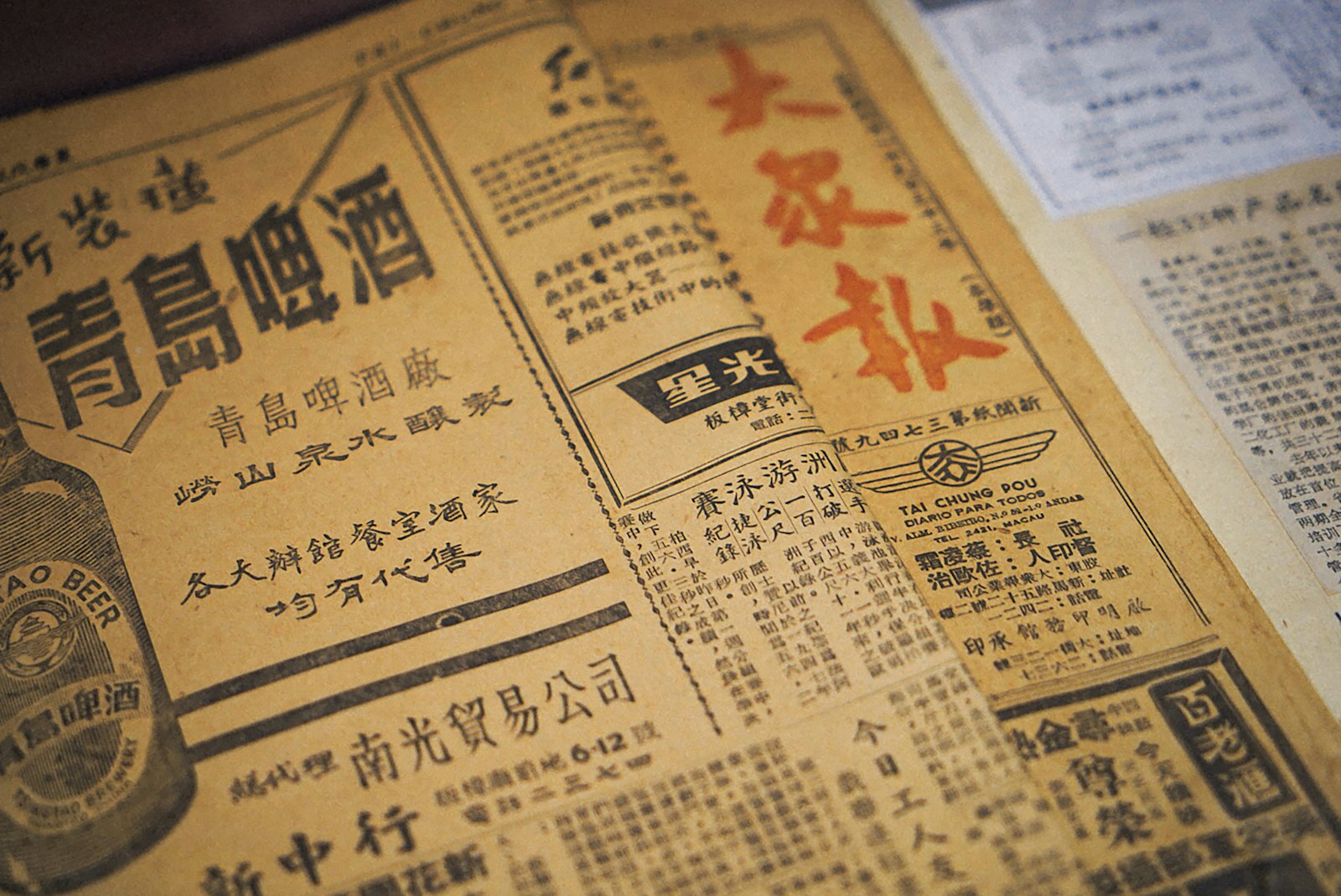
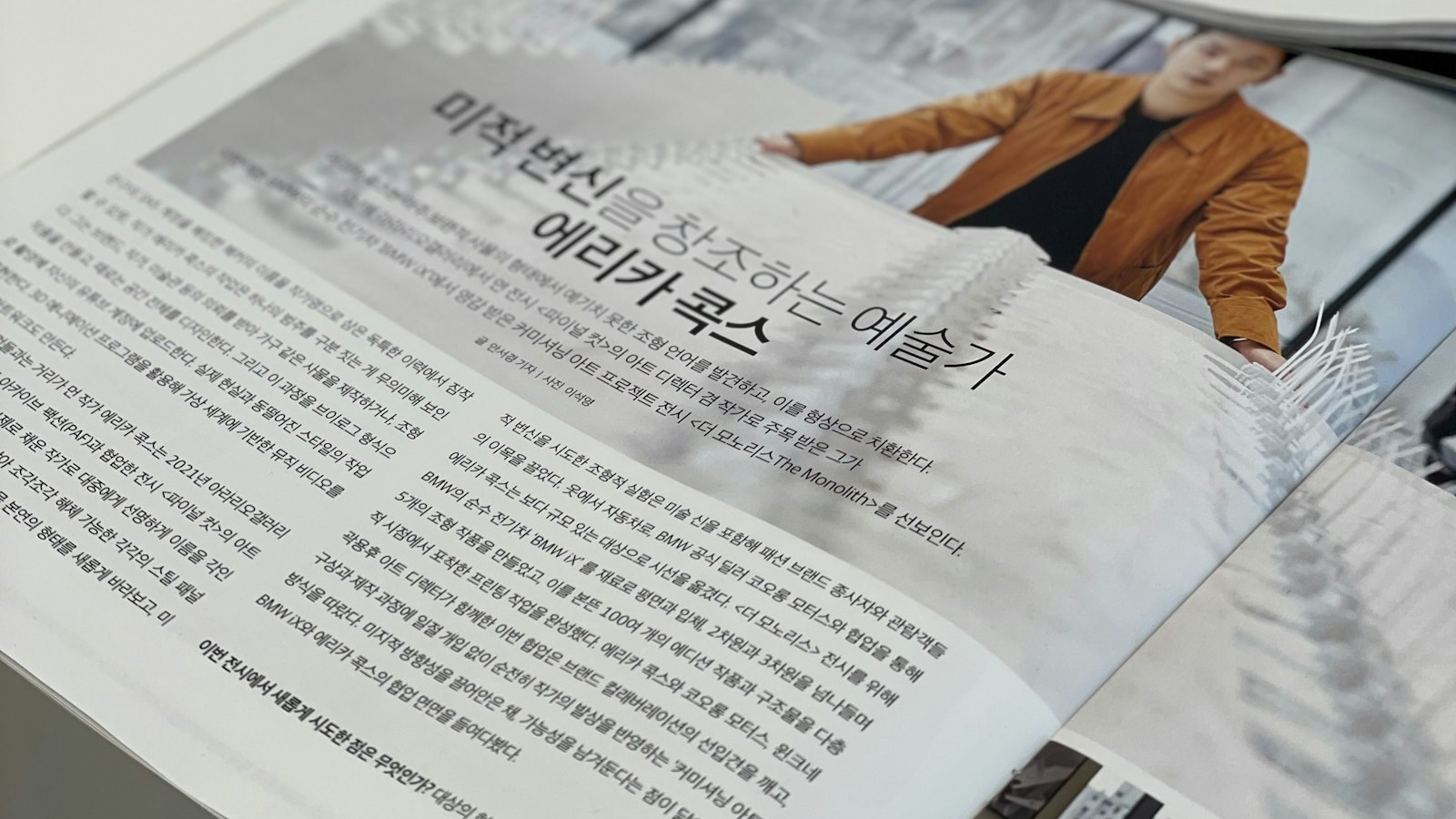
The UK is a melting pot of many cultures from around the world, especially in London. Once you step out, you can hear a variety of languages, and you can eat a huge selection of food. I sometimes even forget where I am. As a foreign person living in the UK, it is very convenient for daily life but it won’t fill the gap between the cultures. For example, although I’m a translator, there is a lot of vocabulary I cannot translate correctly.
Even though I’ve been living in the UK for 8 years, I still use some Japanese words while speaking English. It’s not that I prefer them, but it can’t be helped because there is no word equivalent. I’d like to introduce some vocabulary that I think is very difficult to translate.
First of all, when I start eating food, we always say “Itadakimasu”, which literally translates as “I’m going to eat.” However, the word implies much more depth than that: gratitude for the entire journey the food has taken to arrive on our plates. This includes the food itself; the animals, vegetables and other ingredients, the farmers and people who are related to producing the meat and crops.
When we finish the meal, we say “Gochisou-samadesita” which means “it was a feast”, but the actual meaning is “thank you to everything related to the food.” It is kind of a ritual, but I can’t eat food without these words. I’ve recently realised that Japanese people thank everything due to their Buddhist beliefs.
In relation to this, I always struggle to find an equivalent term to “Mottainai” in English. The dictionary translates it literally as “what a waste”, but this doesn’t convey the whole meaning. The word “waste” often focuses on mere loss or inefficiency.
On the other hand, the Japanese “Mottainai” carries a sense of gratitude and respect for every resource, including other people's time, care, and effort. Rather than focusing on waste as inefficiency, it's about honoring the effort and value behind things.

I occasionally hear the Japanese term “Shinrin-yoku (森林浴)” in the UK. I was a bit surprised because people here appreciate and enjoy walking in the woods in their daily life, but they don’t have a specific word to describe the joy and the sensation in doing this, and use the Japanese term instead.
On the other hand, Japanese people go to the woods especially for this reason. “Shinrin-yoku” means "forest bathing", and involves slow, sensory immersion in nature to reduce stress and boost well-being. It provides some of the same benefits as the Japanese tradition of bathing.

Japanese is a high-context language, unlike English, so one word sometimes contains many meanings and concepts. I often use the term “Chuto-hanpa (中途半端).” It’s often translated as “doing something halfway”, but it is also a very convenient word to use when something is missing a little bit. For example, I’m not old enough to receive a pension, but not young enough to receive child benefit. It reminds me of the saying, “too long for a girdle, too short for a sash,” which captures the meaning of “Chuto-hanpa,” and can be translated into English as “neither fish nor fowl.”
Since English is a low-context language, it needs more words. “Tanto (担当)” is the same. Tanto is a person who oversees something. So, we can just say “please call a tanto” when we need to talk to someone who has responsibility anywhere, anytime, without knowing their actual position or name.
It is well known that Eskimo words for snow are numerous. This popular fact serves as a neat example of how culture influences vocabulary. If the culture is different, its vocabulary is also different because vocabulary develops at the same time as the way of living.
As society becomes increasingly multicultural, it has become possible to substitute words through translation. However, I wish to cherish the beautiful language nurtured within our own culture.